Mama SVG: Honest Embroidery Review for Real Projects
First Impressions: Warm, Simple, and Ready for Stitching
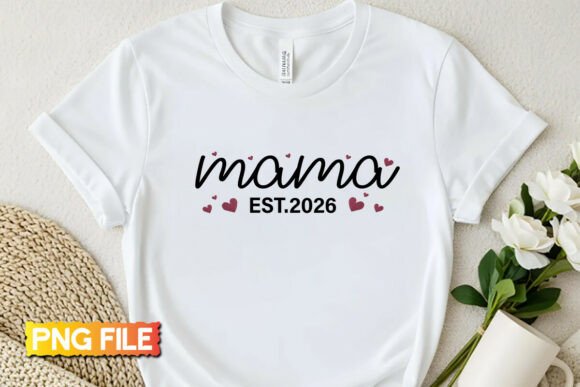
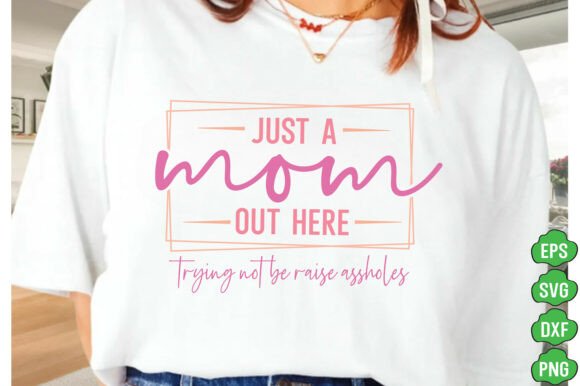
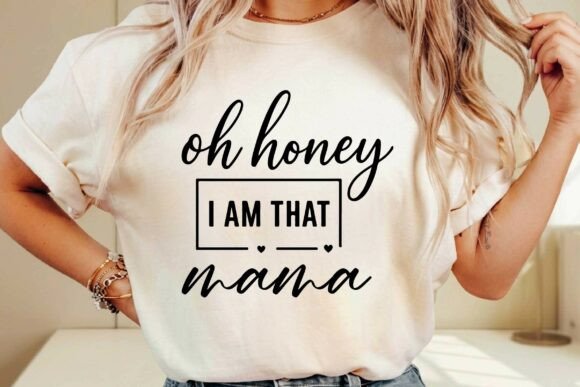
When I opened the ZIP folder for Mama Svg, Mother s Day Svg, Mama, Mom, I wasn’t met with flashy animations or overdesigned flourishes—just clean, intentional lines. This isn’t a cluttered script or an ornate monogram. It’s a grounded, heartfelt wordmark with gentle curves and balanced spacing—exactly what you’d want for a handmade tote bag, a soft baby onesie, or a linen tea towel meant to hang in a sunlit kitchen. The design leans into warmth without leaning too hard into cutesy. That matters. Because when you’re stitching for real people—not just scrolling through Etsy thumbnails—you need clarity, sincerity, and quiet confidence.
Where It Shines: Everyday Handmade & Small-Business Use
I tested Mama Svg, Mother s Day Svg, Mama, Mom across three real projects: a medium-weight cotton tote (for a local mom-and-baby boutique), a French terry sweatshirt (custom order for a client’s birthday gift), and a 4” embroidered patch sewn onto a denim apron. In every case, the design held up beautifully—especially on stable, medium-weave fabrics. The letterforms are generous enough for satin stitch definition, yet restrained enough to avoid heavy fill areas that can stiffen fabric or cause puckering. As a machine embroidery design, it reads clearly at 3–4 inches wide—ideal for chest placement on tees, center-front on totes, or upper-back positioning on sweatshirts.
For Etsy sellers and craft fair vendors, this is solid small-shop inventory: it works as a standalone design, pairs well with simple floral motifs or minimalist hearts (if you’re layering), and translates cleanly into printable mockups. I used it in black thread on cream linen and navy cotton—and both versions looked intentional, not generic. That’s rare in mass-produced graphics. It feels like a design asset you’d keep in your core collection, not one you use once and archive.
Where to Pause: Fabric, Scale, and Function
That said—this isn’t a one-size-fits-all embroidery file. On thin or highly stretchy knits (like lightweight jersey tees), I recommend testing with tear-away + cutaway stabilizer combo. The curves hold well, but low-density fill areas can shift if the base fabric gives too much. On dark fabric, avoid pale pastel threads unless you’re adding underlay; contrast matters for legibility, especially in natural light. And while it scales down to ~2.5”, I wouldn’t go smaller than that for apparel—it starts losing character in tiny hoop sizes, and fine details (like subtle serif endings or inner curve spacing) blur in dense satin stitch.
Curved surfaces—like structured caps or curved pillow covers—require careful hooping and possibly repositioning the design to follow grain. Also, avoid placing it directly over seams or darts without adjusting tension and stabilizer layers. This isn’t a fault of the design itself; it’s just how embroidery behaves. A good applique design or running-stitch outline would be easier on complex contours—but Mama Svg, Mother s Day Svg, Mama, Mom is built for fill-and-satin execution, not outline simplicity.
What It Adds (and Doesn’t Add) to Your Finished Product
This design elevates perceived value—not through flash, but through intention. When stitched cleanly on a quality sweatshirt or organic cotton tea towel, it reads as thoughtful, personal, and quietly professional. Customers notice that. They don’t say “nice font”—they say “this feels made for *me*.” That builds trust, especially for personalized gifts and boutique branding.
It doesn’t add complexity, though—and that’s its strength. No layered shadows, no intricate gradients, no nested elements that demand multi-step hooping. As a digital embroidery file, it’s streamlined. That means faster digitizing checks, fewer thread breaks, and smoother transitions between fabric types. For commercial embroidery shops or home-based craft businesses juggling multiple orders, that reliability saves time and reduces rework.
Practical Designer Notes Before You Stitch
- Always test first—on scrap fabric matching your final project’s weight and stretch.
- Check stitch density in your embroidery software. If it’s unusually high or low, adjust underlay or reduce fill angle slightly for better drape.
- Confirm hoop size compatibility before prepping your machine—some versions of this design may require a 4×4 or larger hoop depending on scale.
- Inspect small corners and inner curves at 200% zoom. Look for stitch crowding or gaps that could snag during wear.
- Try black-and-white mockups to assess contrast and balance before committing to thread colors.
- Use proper stabilizer: medium cutaway for knits, tear-away for stable wovens, and fusible + tear-away for lightweight linens.
- Review licensing terms—since this is a digital product sold for commercial use, verify whether resale of finished embroidered items is permitted, and whether redistribution of the embroidery file itself is restricted.
Final Thought: A Design That Serves the Moment
Mama Svg, Mother s Day Svg, Mama, Mom doesn’t shout. It settles in. It works on a baby onesie gifted at a shower, on a canvas apron worn daily in a small-batch bakery, on a holiday sweatshirt handed down through seasons. It belongs in the category of T-Shirt Designs and Graphics not because it’s trendy—but because it’s useful, honest, and built for repetition without fatigue. For embroidery designers, craft business owners, and makers who care about how their work feels in someone’s hands—not just how it looks online—this is a dependable, human-scaled addition to your design assets. Just remember: even the best machine embroidery design needs your judgment, your stabilizer choice, and your eye for context. Stitch it thoughtfully, and it’ll carry more than words—it’ll carry meaning.