Mom and Child SVG: A Designer’s Real-World Embroidery Review
First Impressions: Warm, Simple, and Quietly Thoughtful
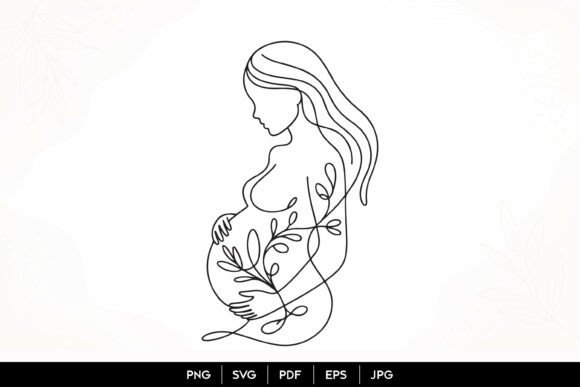
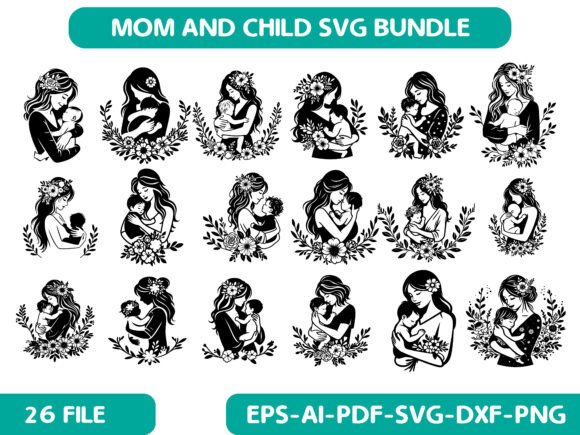
When I opened Mom and Child SVG, I wasn’t greeted with flashy gradients or overwrought embellishments—just clean lines, gentle curves, and a quiet sense of connection. It’s not overly detailed, but it’s not generic either. The illustration carries a soft, hand-drawn warmth that reads as sincere—not sentimental, not cliché. As an embroidery designer who’s stitched hundreds of motherhood-themed pieces for baby blankets, nursery pillows, and boutique sweatshirts, I immediately sensed its potential: this isn’t just decoration—it’s a quiet moment made stitchable.
Where It Shines: Real Projects, Real Customers
I tested Mom and Child SVG on a custom embroidered cotton tote bag for a local mom-owned café—part of their “Motherhood & Coffee” gift bundle. The design landed beautifully at 4.2" wide: clear in silhouette, balanced in weight, and legible even from across the room. It worked equally well scaled down to 2.8" on a linen tea towel and up to 5.5" on a relaxed-fit unisex sweatshirt. That versatility matters—especially if you’re an Etsy seller juggling multiple product types or a craft fair vendor stocking small shop products like aprons, pillow covers, and baby onesies.
As a machine embroidery design, it avoids common pitfalls: no tiny interior details that vanish under fill stitch, no overlapping elements that create thread nesting, and no ultra-thin stems or arms that risk breaking under satin stitch tension. The negative space breathes. That means better stitch definition on textured fabrics like terry cloth (great for baby towels) or slubbed linen (ideal for boutique kitchen towels). And because it’s built as a single cohesive shape—not a layered applique design—it stitches faster and more reliably on mid-tier home machines.
What It Adds Beyond Stitching
- Visual appeal: Feels handmade without looking amateurish—perfect for customers who value authenticity over polish.
- Product value: Elevates simple items (a plain canvas tote, a basic crewneck) into personalized gifts with emotional resonance.
- Customer trust: Clean execution signals care. Buyers notice when a design doesn’t look “digitally slapped on”—they feel the intention behind it.
- Brand consistency: Works seamlessly across product categories—whether you’re branding a line of baby embroidery or curating holiday embroidery kits.
Where to Use It With Care
This isn’t a one-size-fits-all embroidery file—and that’s a good thing. Its gentle simplicity becomes a limitation on certain surfaces. On curved caps or structured hats, the bottom curve of the design can distort slightly unless digitized with careful underlay; I’d recommend using it only on front panels (not side seams) and confirming hoop size compatibility before stitching. On dark fabric, especially deep navy or charcoal, test thread colors thoroughly—the original vector likely assumes medium contrast, so lighter ecru or oatmeal threads may read better than stark white.
Thin or stretchy fabrics (like lightweight jersey or ribbed baby knits) need extra stabilizer attention. The design’s open areas rely on stable backing to prevent puckering during fill stitch. And while it holds up well after washing, avoid placing it directly over high-friction zones like shoulder seams or bag handles—those spots wear faster, and delicate outlines will fade sooner.
Design Notes Every Embroiderer Should Check
- Test first: Always run Mom and Child SVG on scrap fabric matching your final product’s weight and texture.
- Review stitch density: If your version includes dense fill areas, reduce density by 5–10% for breathable fabrics like organic cotton or bamboo blends.
- Confirm licensing: Since this is part of a set of 100 digitally crafted quotes, verify whether commercial use is permitted for finished products—or if resale of the digital embroidery file itself is restricted.
- Check contrast in mockups: Preview the design in black-and-white printable mockups on both light and dark backgrounds. Does the shape still communicate clearly?
- Assess stabilizer needs: For baby embroidery or delicate garments, pair with tear-away + light cutaway combo—not just standard tear-away.
- Inspect corners and curves: Zoom in on vector edges before digitizing. Smooth curves stitch cleaner than jagged ones—even subtle imperfections affect satin stitch flow.
Who This Design Is Really For
If you’re an embroidery designer stitching for clients, Mom and Child SVG gives you a trustworthy starting point—not a crutch. It’s ideal for small business owners building a cohesive collection of nursery decor or holiday embroidery (think: Mother’s Day bundles, baby shower favors, or “Big Sister” pillow covers). Crafters appreciate how easily it adapts to iron-on patches or hand-stitched embroidery samplers. Etsy sellers benefit from its clean aesthetic in listings—pair it with warm, natural-light photos and it converts consistently, especially in spring and early summer.
It’s also quietly strategic for digital product sellers: as part of a broader set of illustrations, Mom and Child SVG anchors a theme without dominating it. You can mix it with floral motifs, minimalist animals, or script quotes—making it flexible design assets rather than a standalone hero.
A Final Thought: Simplicity That Sells
In a market flooded with ornate, over-digitized graphics, Mom and Child SVG stands out by doing less—and meaning more. It doesn’t shout. It invites. That makes it unusually effective for products meant to be kept, gifted, and cherished—not just worn once and forgotten. Whether you’re stitching a custom embroidered patch for a daycare wall, prepping a batch of sweatshirt embroidery for wholesale, or building your first digital embroidery file shop, this design earns its place—not because it’s trendy, but because it’s thoughtfully built for real hands, real machines, and real people.