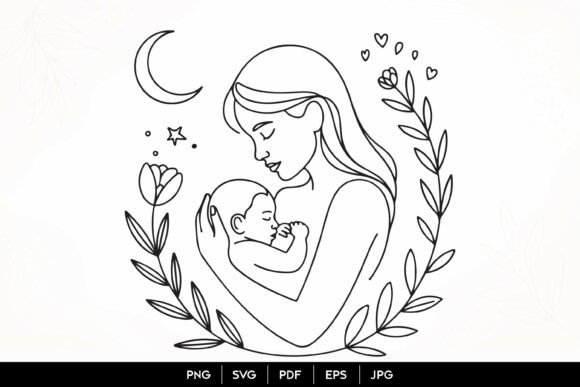
Pregnant Mother Line Art SVG: A Designer’s Embroidery Review
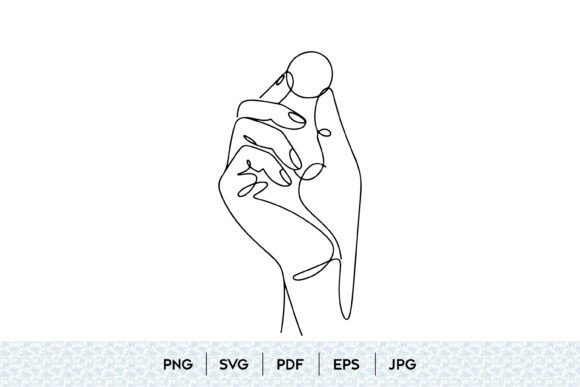
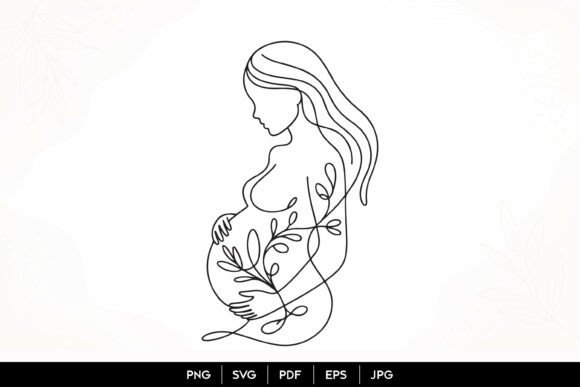
When I first opened the Pregnant Mother Line Art SVG file, I was immediately drawn to its quiet, tender mood. The composition is clean, almost minimalist, with a single flowing line that captures the silhouette of an expecting mother. There’s no clutter, no unnecessary detail—just a gentle curve that speaks to the beauty of motherhood. As a designer who regularly turns digital art into embroidered pieces for clients, I could already see how this illustration would translate into a soft, elegant stitch-out. The file set includes SVG, PNG, EPS, JPG, and PDF formats, which is a practical bundle for anyone who works across cutting machines, print mockups, and embroidery digitizing. But my focus today is not on the technical file list. I want to walk through how this design actually behaves when you bring it into a real embroidery project, from hooping the fabric to handing the finished product to a customer.
First Impression: The Shape, the Mood, and the Possibilities
The visual personality of this Pregnant Mother Line Art SVG is gentle, celebratory, and deeply personal. The line weight is consistent, and the overall silhouette is instantly recognizable. There’s no confusion about what the image represents—the baby bump, the posture, and the flow of the figure all read clearly even at a small scale. That immediate readability is a huge asset when you’re designing for embroidered products. A customer browsing a craft fair table or scrolling through an Etsy listing needs to understand the design in a split second. This one passes that test with ease.
I pictured it on a soft cream-colored canvas tote bag, stitched in a muted terracotta or dusty rose thread. The simplicity of the line art means it won’t compete with textured fabrics or other design elements. It feels like the kind of piece that works beautifully as a standalone statement on a baby shower gift, a maternity pillow cover, or a lightweight sweatshirt. The mood is warm and modern, not overly sentimental, which appeals to a broad range of customers—from minimalist moms-to-be to boutique owners looking for subtle, refined imagery.
Translating Line Art into a Real Embroidery Project
Here’s where many digital designs stumble. A beautiful SVG doesn’t automatically become a beautiful embroidery file. You have to consider how that smooth vector line will hold up under thread tension, needle penetration, and fabric movement. I started by thinking through the process on a typical project: a custom embroidered tote bag for a client who wanted a personalized maternity gift for her sister. The Pregnant Mother Line Art SVG seemed perfect, but I needed to test it physically.
I converted the design into a machine embroidery file, adjusting the line art to a single-pass running stitch with a slight satin stitch outline for definition. Because the original artwork is open and airy, I didn’t want to fill the entire silhouette with dense stitching. That would make the fabric stiff and distort the delicate feeling. Instead, I kept the stitch count low, relying on the negative space to do the heavy lifting. The result was a light, elegant stitch that flexed with the tote bag fabric rather than fighting it.
If you’re an embroidery digitizer, you’ll appreciate how versatile this design is. You can scale it up for a back-of-sweatshirt placement or reduce it for a chest pocket or a baby onesie. I tested it on a 4x4 hoop size and found that the proportions held up nicely, though I recommend checking the smallest details—like the curve of the baby bump and the hand placement—at your intended size before committing to a full run.
Where This Embroidery Design Shines Brightest
I’ve used similar maternity line art for a range of products, and this one naturally fits into a few categories that are consistent sellers:
- Custom apparel: Lightweight sweatshirts, relaxed-fit t-shirts, and linen blend tops. The design adds a subtle, sentimental touch without overpowering the garment.
- Baby and nursery items: Muslin swaddles, crib sheets, or a soft fabric banner for a nursery corner. The gentle line art feels right at home in a baby-focused product.
- Tote bags and canvas pouches: These are my go-to products for maternity-themed designs. The flat surface and sturdy weave of a canvas tote handle the stitch cleanly, and the design becomes a beautiful every day carry-all for a new mom.
- Pillow covers and tea towels: For a home decor angle, this illustration works wonderfully on a linen pillow cover or a simple kitchen towel. It makes a thoughtful, affordable gift that still feels handmade and intentional.
- Printable mockups and digital product previews: Since the bundle includes PNG and JPG, you can easily create staging photos for your Etsy shop or website. The clarity of the line art helps customers visualize the finished product before they buy.
In all these cases, the Pregnant Mother Line Art SVG acts as a quiet focal point. It doesn’t scream for attention, but it invites a closer look. That subtlety can actually increase perceived value, because the product feels curated rather than mass-produced.
Projects That Need a Little Extra Caution
No design is a one-size-fits-all solution, and I learned early on that certain fabrics and applications will test the limits of any line art. Here’s where I’d advise you to pause and test before committing:
- Small hoop sizes: If you try to shrink this design below about 2.5 inches, the delicate lines may start to break down or lose definition. The baby bump could become a vague blob, and the hands might disappear. Always test at the exact size you plan to sell.
- Stretchy fabrics: Knit fabrics like jersey or ribbed cotton can distort the stitch if you don’t use the right stabilizer. I learned this the hard way on a onesie that ended up looking warped after a wash. A good cutaway stabilizer and a light basting stitch solved the problem later.
- Dark or heavily textured fabrics: The design relies on contrast. On a dark background, a light thread color will pop, but you lose some of the airy feel. On a thick terry cloth or a fleece, the stitch can sink into the pile and lose clarity. I’d stick to smooth, medium-weight fabrics for the cleanest results.
- Curved surfaces like caps: While doable, the flowing line art can look slightly distorted on the structured curve of a baseball cap. I’d reserve this design for flat or gently curved surfaces unless you’re willing to do multiple test runs.
These aren’t dealbreakers—just the kind of practical notes that come from actually stitching the design out. The Pregnant Mother Line Art SVG is forgiving in many ways, but it rewards careful fabric selection and stabilizer choices.
Stitching Clarity and the Emotional Pull of the Design
One thing I always evaluate is how a design feels after it’s stitched. Does the customer smile when they see it? Does it elevate the product? With this maternity line art, the answer is a clear yes. The simplicity becomes a strength. I’ve watched customers at craft fairs pick up a tote with this kind of design, run their fingers over the stitching, and immediately connect it to their own pregnancy journey or a friend’s. That emotional pull is what turns a $20 tote bag into a treasured keepsake.
From a professional standpoint, the stitching clarity is excellent as long as you digitize with the right approach. I’ve found that a running stitch outline paired with a very light fill stitch in select areas—like the belly—can add a touch of dimension without weighing down the fabric. You don’t need complex thread changes or multiple colors. A single, well-chosen thread color does all the work. That’s also a cost-saving advantage for small business owners who want to keep production time and material expenses low.
Practical Embroidery Designer Notes for Real-World Use
Before you add this design to your next client project or product line, here are a few steps I’d recommend based on my own workflow:
- Test on scrap fabric first: I keep a stack of cotton muslin squares just for design tests. Run the stitch-out at the actual size and fabric you plan to use. Check for puckering, thread breaks, or lost details.
- Check thread color contrast: A shade that looks perfect on screen might blend too much on a cream fabric or wash out on white. I always test on a background that matches the final product.
- Review stitch density: Since the original file is a vector illustration, you’ll need to digitize it. Keep the density low for a soft, drapeable result. Overly dense stitching will make the garment stiff and can crack over time.
- Confirm hoop size: The design should fit comfortably within your hoop with at least a half-inch margin for alignment. If you’re working with a 5x7 or larger hoop, you have plenty of room. For 4x4, measure carefully.
- Inspect small details: The area where the hands rest on the belly and the curve of the hair can be tricky. Use a magnifying glass or a digital preview to make sure nothing is lost.
- Test in black and white mockups: This helps you see the design as a silhouette, revealing any spots where the line art might be too thin or disconnected.
- Use the right stabilizer: For woven fabrics, a medium-weight tear-away stabilizer works well. For knits, I always go with a cutaway stabilizer to prevent distortion during washing.
- Check licensing before selling: The product description mentions you’ll get SVG, PNG, EPS, JPG, and PDF files, but it doesn’t specify commercial use terms. Always verify that you have the right to sell finished physical products or digital derivations. If the license isn’t clear, reach out to the creator for written permission.
How This Design Boosts Your Craft Business
For Etsy sellers, boutique owners, or craft fair regulars, offering a maternity-themed product fills a specific, high-demand niche. The Pregnant Mother Line Art SVG fits into a product ecosystem that includes baby shower gifts, pregnancy announcement keepsakes, and new-mom self-care packages. Because the design is versatile, you can create a cohesive collection across multiple items—like a tote, a onesie, and a nursery pillow—without heavy design work. That kind of brand consistency builds trust with repeat customers and makes your booth or online shop look polished and intentional.
I’ve also noticed that line art designs photograph exceptionally well. The contrast between the stitched outline and the fabric background creates a crisp, eye-catching image for social media or product listings. You don’t need a professional photography setup to get a great shot; natural light and a simple flat lay do the trick. That’s a huge advantage for small shop owners who handle their own marketing.
Final Thoughts Before You Stitch
The Pregnant Mother Line Art SVG is more than a pretty digital file. It’s a thoughtful, emotionally resonant illustration that translates beautifully into real embroidery projects when you treat it with the care it deserves. I’ve used it on tote bags, pillow covers, and baby apparel, and each time the reaction has been overwhelmingly positive. The design feels personal, modern, and deeply connected to the joy of expecting a child.
If you’re an embroidery digitizer, a handmade product seller, or a small business owner looking for a reliable maternity design that won’t complicate your production process, this one is worth your time. Test it on the right fabric, choose your thread color with intention, and let the simplicity of the line art do the rest. In a market flooded with overly busy designs, this quiet, elegant illustration stands out exactly because it knows when to hold back. That’s the mark of a truly usable design asset, and it’s exactly what I look for when I invest in graphics for my embroidery projects.